
Jan 3, 2026
West Africa case study: progress briefing (January 2026)
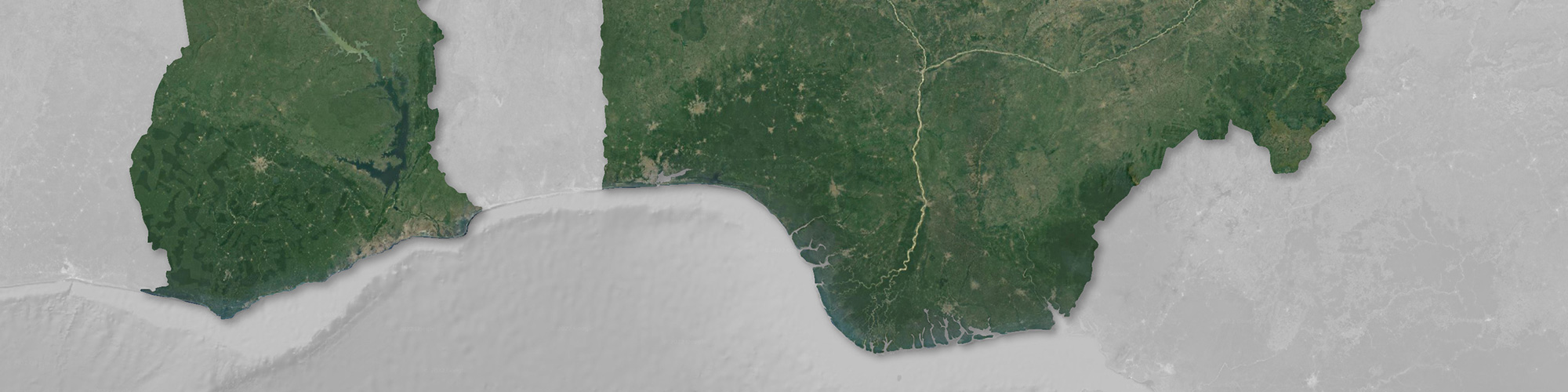
This briefing summarizes recent and ongoing work in the West Africa case study (Ghana and Nigeria), drawn from the partnership’s internal case-study record. The study examines the food–climate–biodiversity nexus where IUU fishing, plastic pollution, climate change, and gender dynamics intersect in small-scale fisheries governance.
Team and collaborators
Section titled “Team and collaborators”Leads include researchers at Lagos State University, GIMPA / University of Ghana, University of Energy & Natural Resources, and University of Lagos, with collaborators and post-docs at University of Cape Coast, University of the Witwatersrand, UBC, and others. The student cohort spans PhD and MSc work on IUU, microplastics, transshipment, and FCB indicators.
Policy and field milestones
Section titled “Policy and field milestones”- Ghana: Parliamentary approval to extend the inshore exclusive zone for small-scale fishers from 6 to 12 nautical miles; the team initiated baseline work to track social and ecological effects.
- Nigeria: Full year of seasonal fieldwork completed; gender-inclusive governance and climate adaptation research (including second-round fieldwork) advanced.
- Workshops: Inception meeting (March 2024), participatory co-creation on IUU and plastic pollution in Lagos (session recording), and engagement at World Fisheries Congress (Seattle, March 2024).
Selected outputs
Section titled “Selected outputs”Publications and theses cover gender-inclusive fisheries governance, mangrove and ILK-linked sustainability, tilapia aquaculture in Nigeria and Ghana, microplastics in commercial fisheries, and stakeholder perspectives on the IUU–plastic–climate nexus. Cross-case links include comparison with Canada’s modern treaty context and global nutrition work integrating West African dietary data.
Looking ahead
Section titled “Looking ahead”Planned synthesis includes Nature Futures Framework mapping, further conferences and team meetings, and continued co-development with coastal communities and partners.
Source material: internal West Africa case-study narrative (2022–2025).