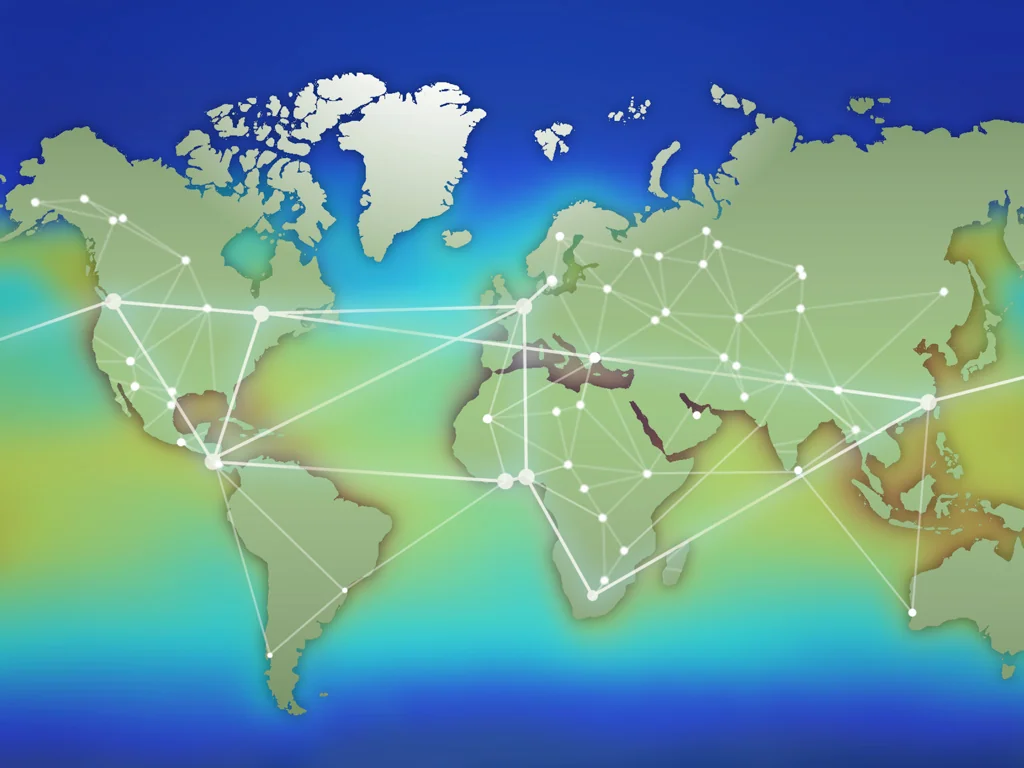
Solving Sustainability Challenges at the Food-Climate-Biodiversity Nexus (Solving-FCB) is a six-year (2022–2028) global research partnership led by the University of British Columbia. Its primary purpose is to address the trilemma of feeding a growing global population sustainably (food) while simultaneously mitigating and adapting to climate change (climate) and protecting or restoring ecosystems (biodiversity).
Grounded in the study of marine and coastal systems, the project seeks to identify viable solution options that account for complex social and ecological contexts—specifically how to provide food security in the face of environmental crises without further destroying nature.
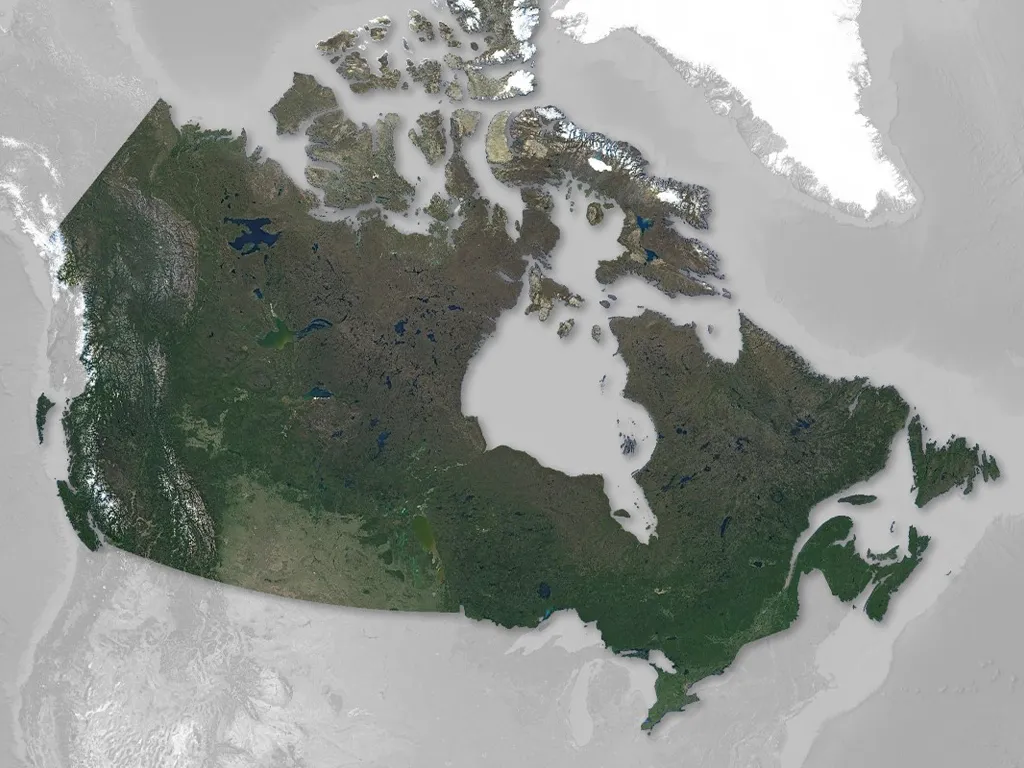
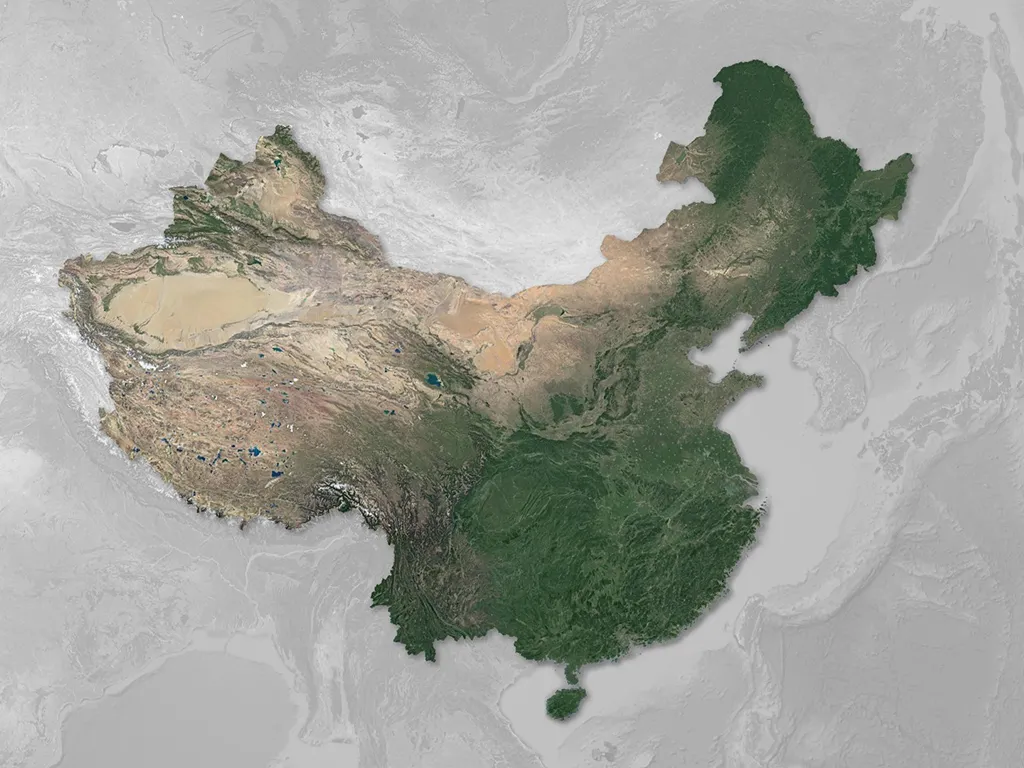
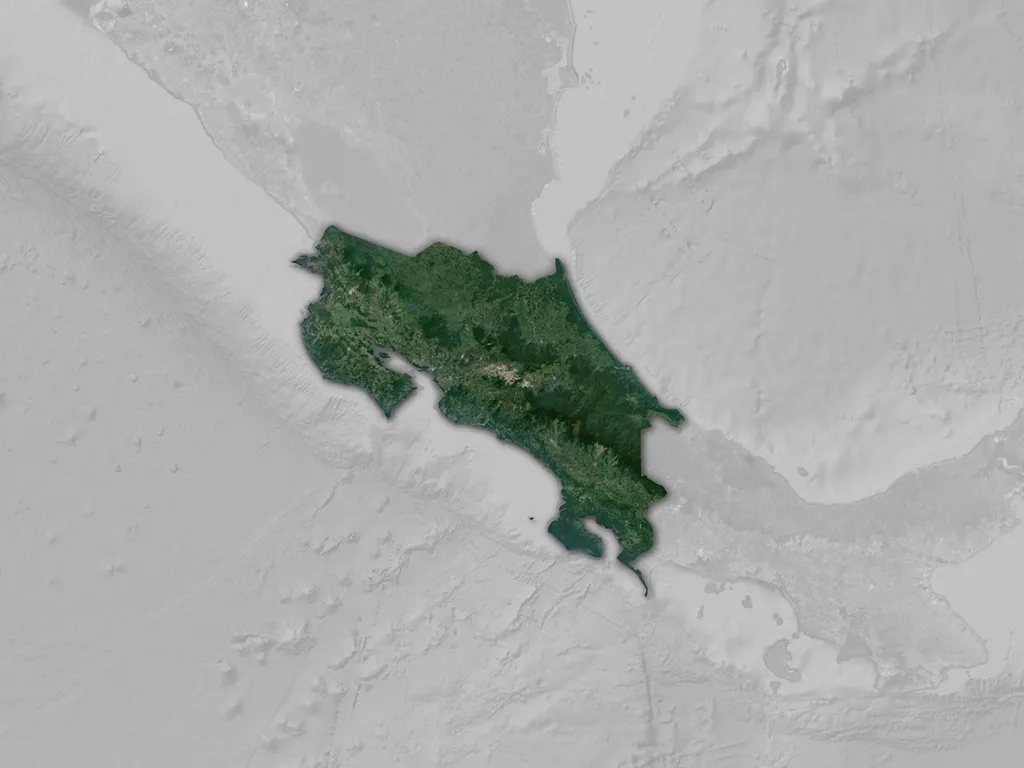
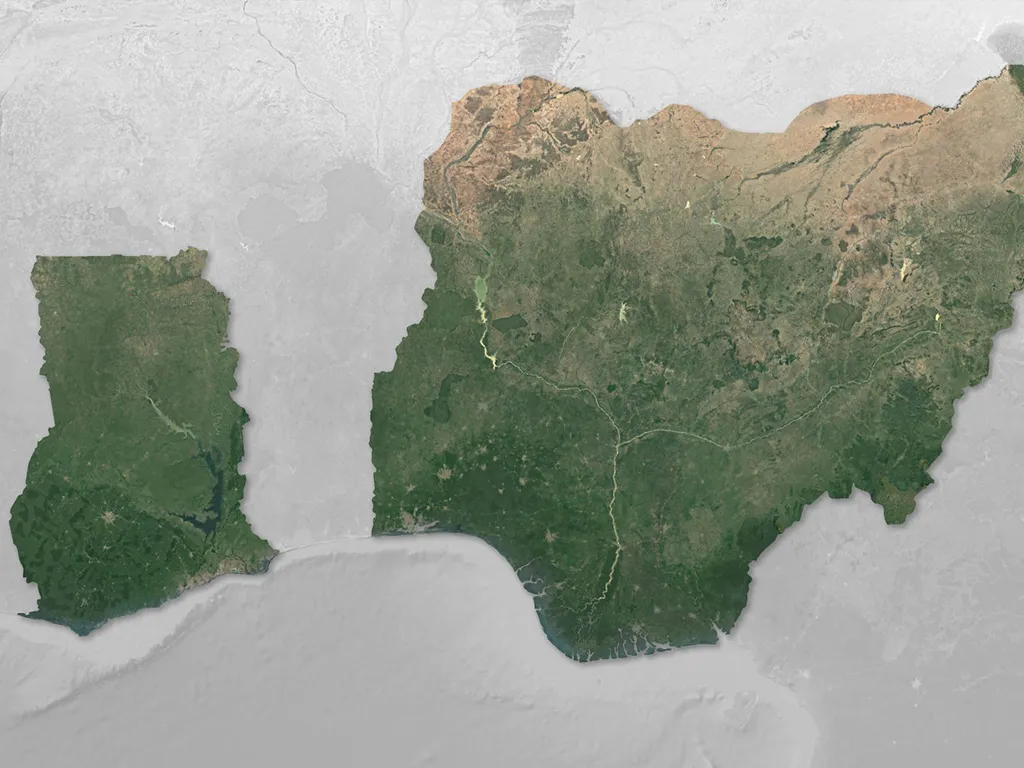
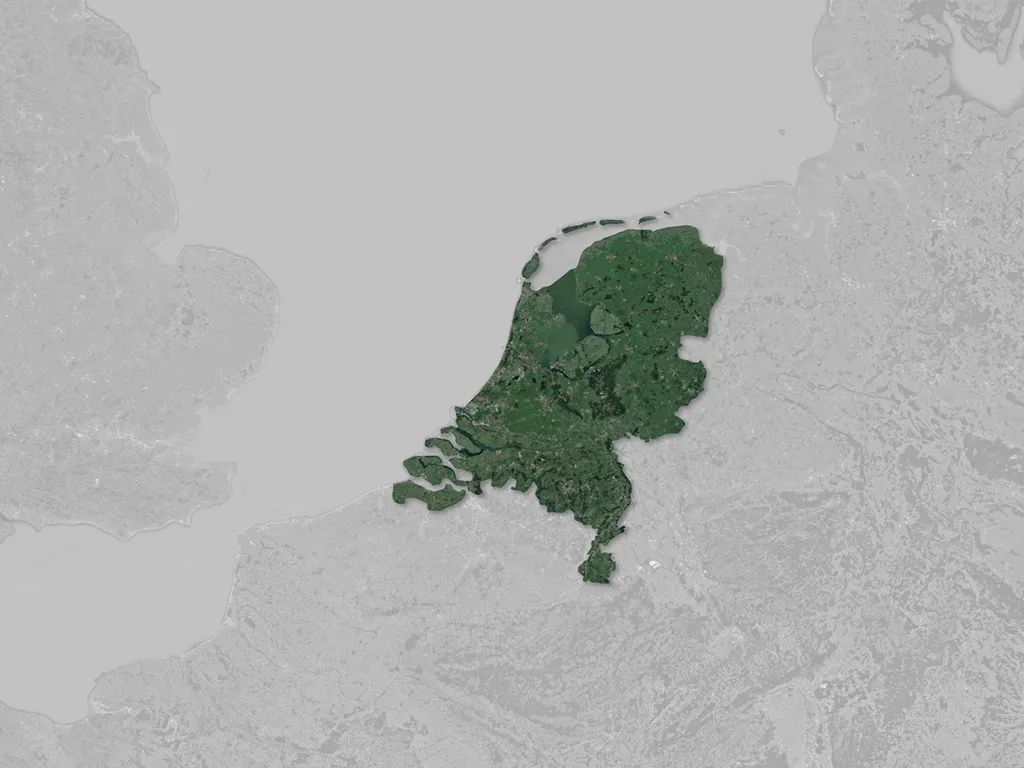
The partnership employs a transdisciplinary and inclusive approach that brings together over 50 world-leading scholars, Indigenous leaders, policymakers, NGOs, and local communities across five continents. Research is grounded in five regional case studies—Canada (Tla’amin Nation), China, Costa Rica (Gulf of Nicoya), West Africa (Ghana, Nigeria, Benin-Togo), and the Netherlands—examining the FCB nexus in diverse societal, economic, and environmental contexts.
Through participatory scenario planning, advanced modeling frameworks, and co-created knowledge with local partners, the partnership bridges science and policy to support equity-centered solutions. It also trains emerging scholars and engages in global forums such as the UN Ocean Conference, IPCC, and IPBES to inform transformative, sustainable ocean governance.
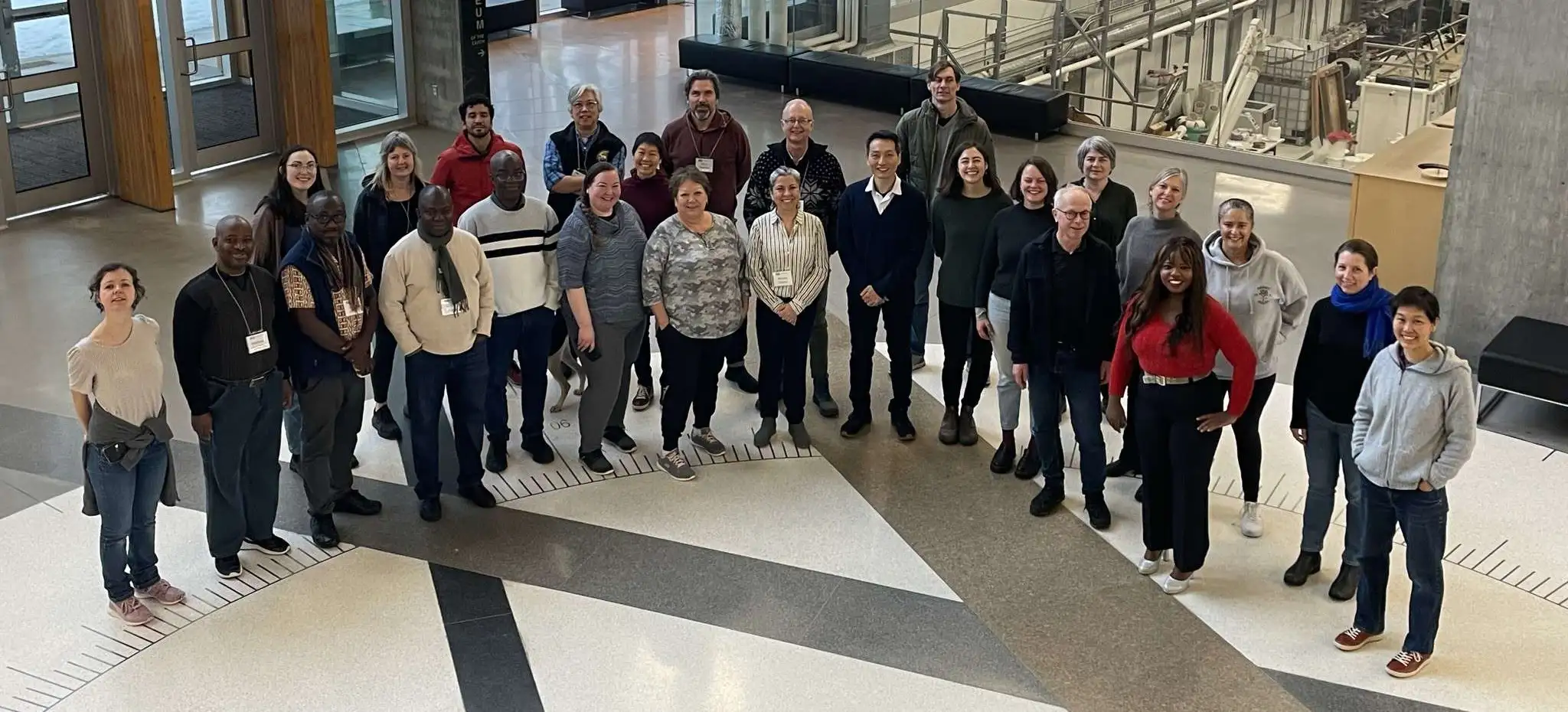
The Solving-FCB Partnership brings together a diverse cohort of over 60 individuals representing 26 unique institutions across 11 countries and five continents.

- Abundance Variability and Environmental Drivers of Commercial Fish in the Northern South China Sea across ENSO Phases under Climate Change Scenarios
2026-12-01
- A turning point for nature: Canadian scientists call for federal leadership on conservation
2026-03-31
- Shifting Trends in Aquaculture's Biological Potential to Address Food, Climate and Biodiversity Challenges
2026-03-25
- Quantifying Exposure of Pacific Salmon and Steelhead to Climate Change in the Fraser River basin
2026-03-20
- Unlocking the economic potential of the fisheries sector in Cabo Verde
2026-03-01
Case Studies
Regional partnerships and cross-cutting Modelling and Synthesis groups advancing the food–climate–biodiversity nexus.
Canada
First Nations developing climate adaptation pathways for secure seafood systems
China
Expanding aquaculture to increase seafood provision and coastal carbon sequestration
Costa Rica
Using nature-based solutions to restore fisheries during agricultural intensification
West Africa
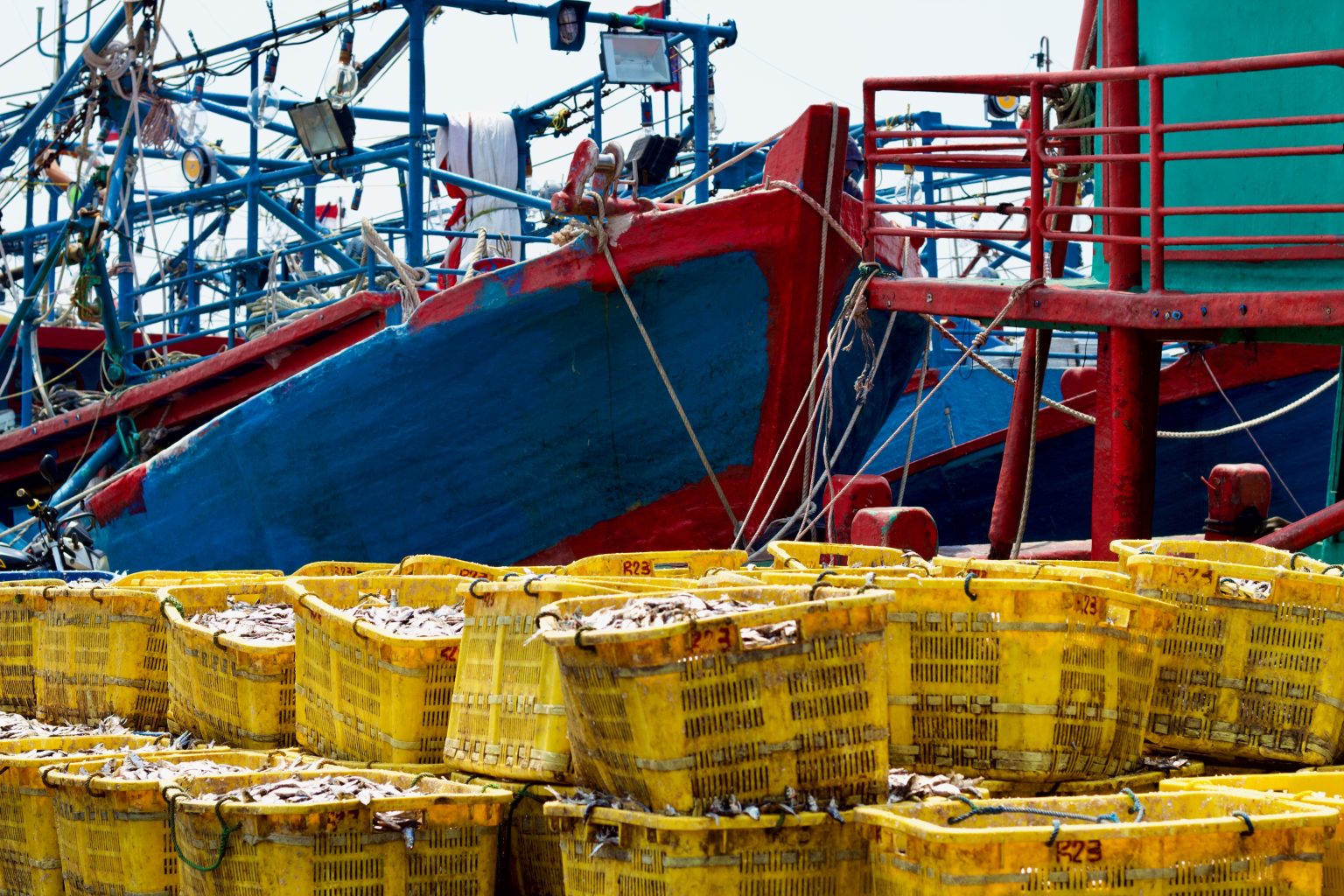
Resolving illegal fishing to enhance marine resilience and sustainable livelihoods
Netherlands
Developing pathways for circular and nature-inclusive food production systems
Working Groups: Modelling & Synthesis
Integrating methods and findings into cross-cutting insights for the food–climate–biodiversity nexus
Solving-FCB News
Solving-FCB News, Publications, Events, etc.
letters | May 21, 2026
Letter: Fisheries sector as a mitigation wedge
In a recent correspondence published in Science, Solving-FCB Co-PIs Dr. William Cheung, Dr. Rashid Sumaila, and Sea Around Us PI Dr. Daniel Pauly argue that the global marine fisheries sector could serve as a vital, yet overlooked, climate mitigation “wedge”.
Project Updates | May 1, 2026
Stewarding the sea: how Tla’amin Nation is mapping the future of ʔəms giǰɛ
For the Tla’amin Nation, the relationship with the ocean is guided by taʔow - the principle of doing things the right way in relationship with the land and sea. This ancient responsibility is now meeting cutting-edge technology as the Nation advances its own Marine Spatial Planning (MSP) process to protect the northern Sunshine Coast of British Columbia.
Project Updates | Feb 14, 2026
Solving-FCB partnership: outputs, milestones, and cross-cutting synthesis (February 2026)
This briefing distills the partnership CV-style progress record (2022–2025): outputs, strategic milestones, and how case studies and working groups fit together.