
The Netherlands Case Study
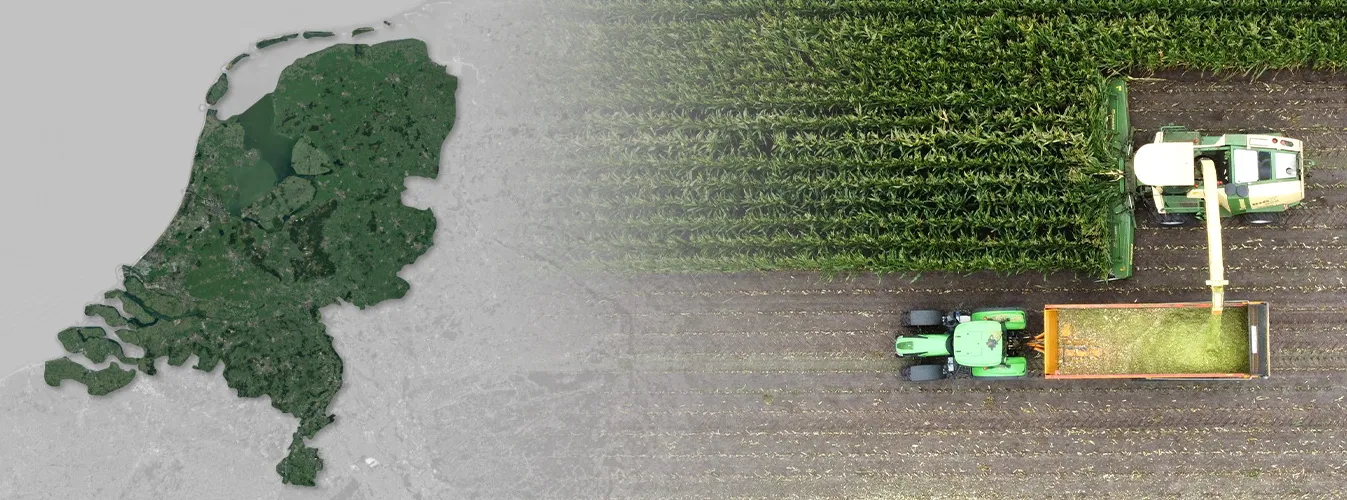
In The Netherlands, the Partnership aims to explore nexus-informed pathways towards circular and 'nature inclusive' food systems.
Overview
Section titled “Overview”The Netherlands and Northwestern Europe face major challenges including pollution from food production, climate change and biodiversity loss. The Netherlands is especially vulnerable to climate change because much of the country is below sea level, leading to increased flooding and drought that affect crops and other economic sectors. The country has hotspots of biodiversity under threat from urbanization, agriculture and climate change.
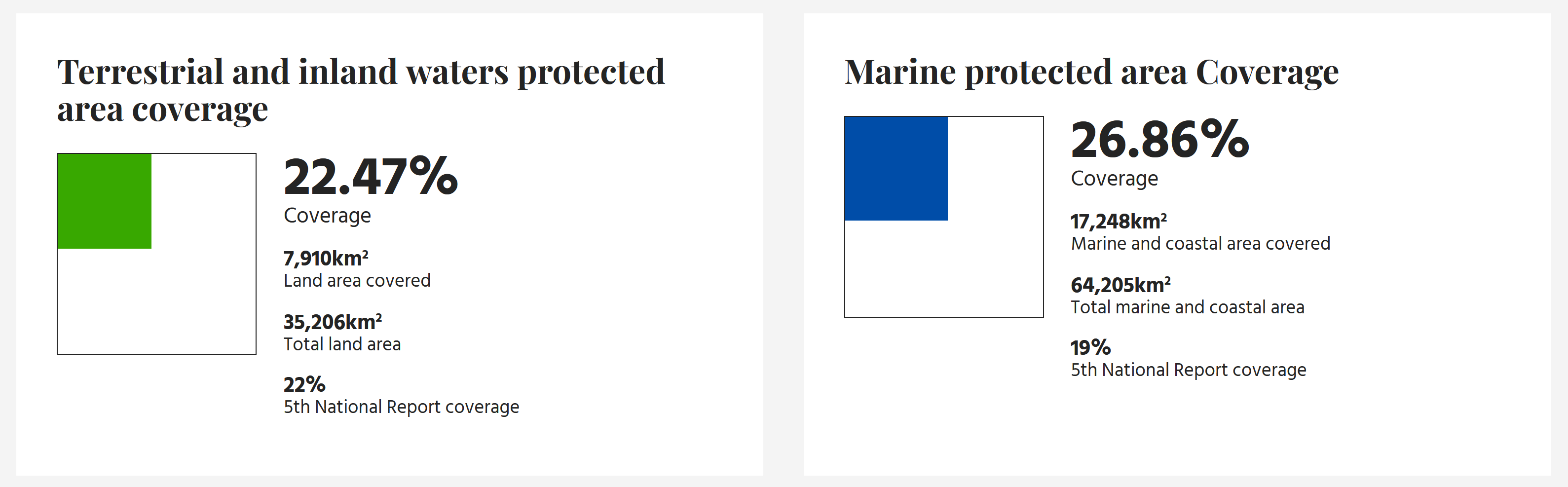
The Netherlands has a long history of implementing marine protected areas (MPAs), including under Natura 2000. Despite this, biodiversity is still decreasing. Marine protected area coverage is about 27% and terrestrial and inland waters coverage about 22%.
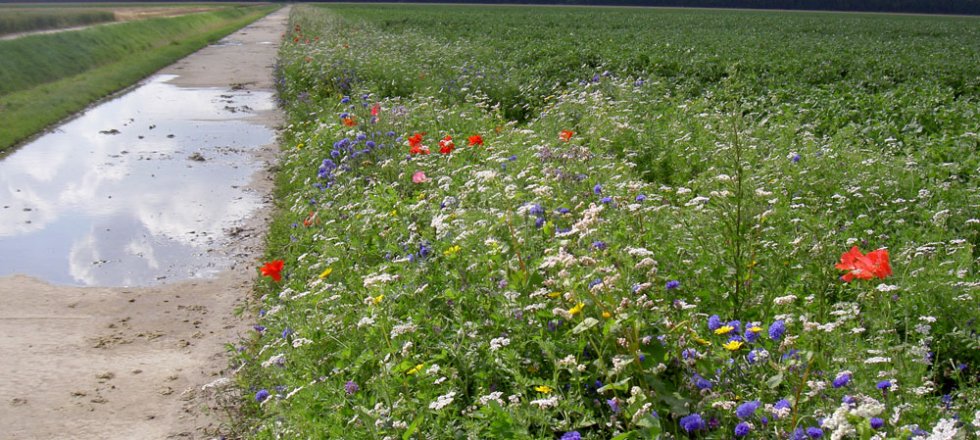
Against this background, the Dutch government has adopted "nature-inclusive" and "circular" farming. Nature-inclusive agriculture is sustainable agriculture based on a resilient food system and ecosystem—for example integrating wildflower pastures alongside farmland and rewarding farmers for investing in biodiversity. Circular farming uses residues from the agricultural sector and food supply chain as renewable inputs and closes cycles: inputs are sourced as locally as possible, reducing biomass waste, chemical fertiliser imports and remote livestock feed. Production capacity is determined by the availability of circular resources. Similar policy goals apply to fisheries under the EU Common Fisheries Policy.
The case study explores pathways for nature-inclusive and healthy food futures by developing integrated scenarios at the FCB nexus. Pathways consider trade-offs and synergies between food, climate and biodiversity and aim to minimise trade-offs through sustainable, resilient systems. Findings are designed for upscaling (applying successful methods to larger areas) and outscaling (extending them to other regions)—from Dutch territories to Northwestern Europe (e.g. Atlantic arc from southern France to northern Denmark). The approach includes reviewing and inventorying existing models (which currently exist for sea and land but are not yet integrated at the nexus), stakeholder consultation, and developing new scenarios.
Case study objectives
Section titled “Case study objectives”- Environmental System Analysis (ESA) at WUR: analyse, interpret and simulate complex environmental problems; communicate to stakeholders; key research topic on ecosystem services and biodiversity.
- PBL (Netherlands Environmental Assessment Agency): support Dutch government with outlook studies, analyses and evaluations for environmental policy using an integrated approach.
- Two senior staff plus PhD and MSc students.
Background
Section titled “Background”- Vulnerable food production systems on land and at sea to climate change
- Hotspots of biodiversity
- Threats from human activities (urbanization, agriculture, climate change)
- New policy concepts: "nature-inclusive" and "circular" farming
- Similar policy goals for fisheries under the European Union's Common Fisheries Policy
- Develop integrated scenarios for the FCB nexus
- Explore nexus-informed pathways towards circular and "nature inclusive" food systems
- Focus on the Netherlands and Western Europe
Approach
Section titled “Approach”- Review, harmonize and build upon existing scenario studies and outlooks on the environment, nature and food production
- Stakeholder consultation and participation
- National and European scales
- Analysis of consequences and trade-offs
Impacts
Section titled “Impacts”- Representation of plausible futures of 'nature-inclusive' food systems
- Guidance to policy-makers and stakeholders on socio-economic and/or policy transitions
- Application of the nexus approach to solve FCB challenges in well-developed economies
Milestones
Section titled “Milestones”- Synthesis of existing scenarios for nature inclusive food systems (year 2)
- Inventory of existing models and data and discussion of their applicability (year 1)
- Portfolio of plausible pathways and associated trade-offs (year 4)
- Guidelines for transition towards 'nature-inclusive' food systems (year 5)

Updates
Section titled “Updates”References and links
Section titled “References and links”- Watch: Netherlands case study
- Protected nature areas (Government of the Netherlands)
- Natura 2000 (European Commission)
- Nature-inclusive Netherlands (Rli advisory report)
- Nature-inclusive agriculture (WUR)
- Circular agriculture (WUR)
- Marine Protected Areas – Netherlands (Protected Planet)
- Policy on nature and biodiversity (Government of the Netherlands)