
Canada Case Study
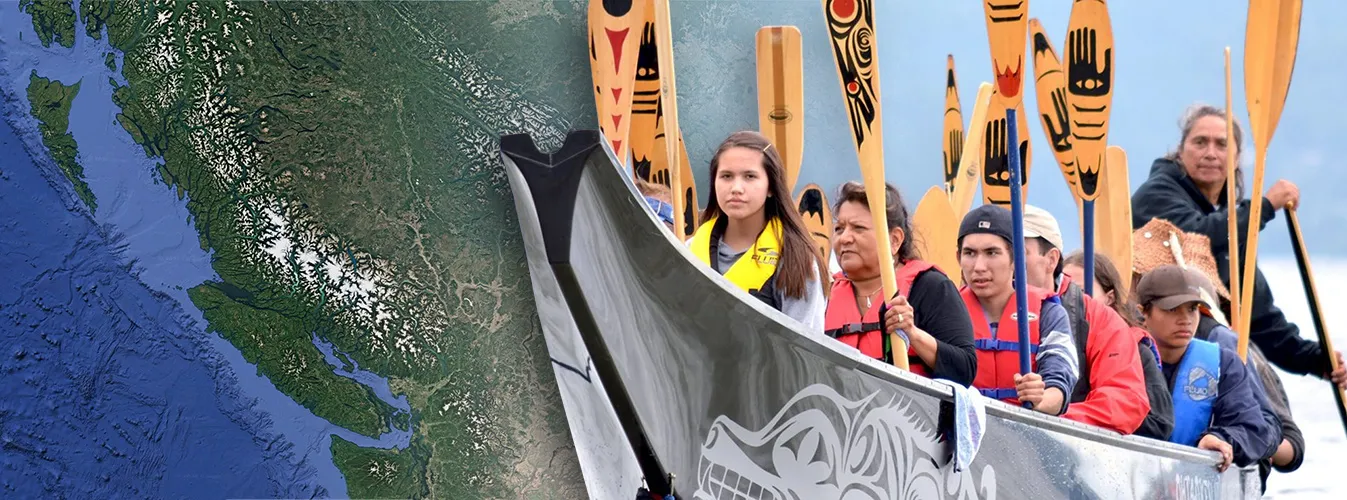
The Canadian case study for the Solving-FCB project is led by Tla'amin Nation, who are directing questions around the process of envisioning a 'desirable' future in a way that reflects climate-adaptive fisheries.
Overview, Community Profile & Context
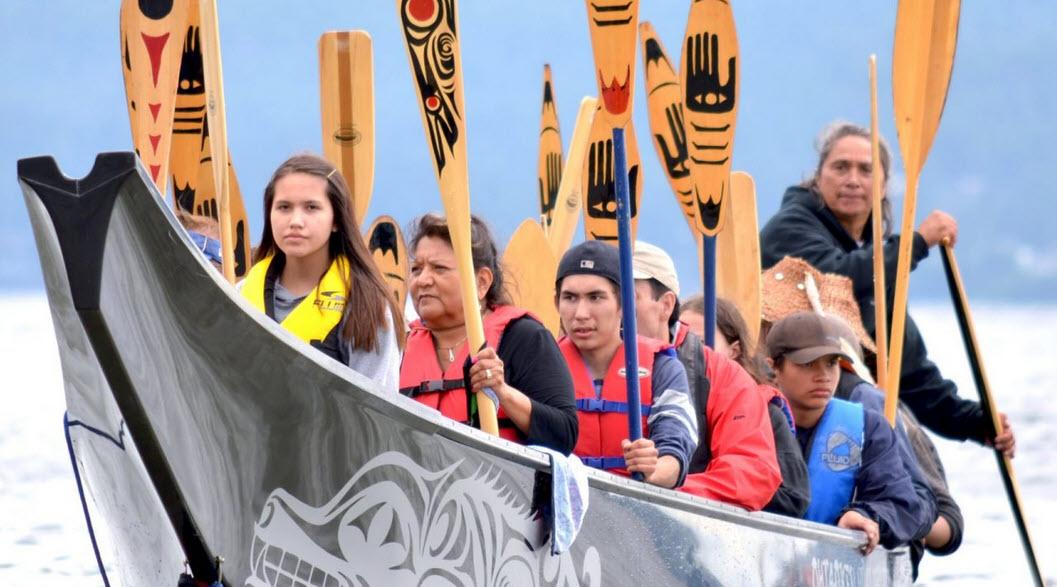
Section titled “Overview, Community Profile & Context”The Tla'amin First Nation is located just north of Powell River, British Columbia (east across the Strait of Georgia from Courtenay on Vancouver Island). As a Coast Salish nation, their history in the region stretches back over 4,000 years.
Today, the community has over 1,100 members, with the majority residing in the main village site in Sliammon. The Nation's economic, political, and spiritual systems are deeply rooted in their connection to their traditional territory.
To protect these systems, the Tla'amin Nation has partnered with the University of British Columbia (UBC) to adapt their seafood systems for nutritional security and environmental stewardship in the face of climate change. This initiative builds on previous collaborative research, such as the study Tracing climate impacts using participatory systems mapping: informing adaptation for a marine food system in the Tla'amin First Nation. This prior work demonstrated that effective adaptation strategies must be developed directly in partnership with community members to properly identify their values, needs, and knowledge of local system dynamics.
Accordingly, this case study relies heavily on traditional knowledge regarding the historical and contemporary uses of marine resources by Nation members.
Case Study Goals
Section titled “Case Study Goals”The case study aims to achieve three primary objectives:
- Achieve and enhance food security in ways that support Aboriginal rights and self-determination within the context of climate change and biodiversity loss.
- Build nexus-informed adaptation pathways to sustainability at the intersection of food security, climate mitigation, biodiversity, and conservation.
- Develop procedures and toolkits for implementing this "nexus approach" to sustainability challenges, co-created directly with case study participants from the Tla'amin Nation.
Project Approach & Research Methods
Section titled “Project Approach & Research Methods”The research is highly participatory and is supported by the Solving-FCB partnership—an international, interdisciplinary research group whose members develop and integrate scenarios and human-natural systems modeling.
Key elements of the research approach include:
- Expert Focus Workshops: Interactive sessions where traditional knowledge is co-developed to help build decision-making tools and synthesize scenario development.
- Co-Developed Framework: A structured approach to addressing food, sustainability, and biodiversity challenges to support local decision-making.
- Qualitative Treaty Research: Qualitative research looking at the implementation of the modern-day treaty, evaluating how the negotiated spirit and intent are being honored in governance and food security.
- Longitudinal Project Connections: Linking this study to other long-term initiatives—such as the First Nations Food, Nutrition and Environment Study (FNFNES) and Climate Change and Food Security for Nations (CCFS4N)—to provide critical background data on dietary research, socio-ecological determinants, and traditional knowledge.
Vision, Commitments, and Measures of Success
Section titled “Vision, Commitments, and Measures of Success”The Tla'amin Nation has outlined its long-term vision in their modern-day treaty Final Agreement and is actively implementing it through the 2023–2028 Comprehensive Nation Plan.
Specifically, Goal 19 (Lands and Resources) focuses on improving Tla'amin Food Security through the following targets:
Priorities
Section titled “Priorities”- Establish a cross-departmental food security promotion and access plan involving hunting, fishing, harvesting, and community gardening.
- Deliver education programs that train Tla'amin members in food security and harvesting skills.
- Develop formal policies on food security.
- Hire Tla'amin members to hunt, fish, gather, and farm for community distribution.
- Develop a consistent approach to sourcing and distributing traditional foods to Tla'amin members both on and off Tla'amin lands.
Commitments
Section titled “Commitments”- Increase access to traditional and nutritious foods for Tla'amin individuals and families.
- Increase food security skills among Tla'amin individuals and families.
Measures of Success
Section titled “Measures of Success”- An overall increase in food security for Tla'amin people.
- Increased self-reported gathering of traditional foods by community members.
- Increased self-reported consumption of traditional foods.
- Successful knowledge transfer to younger generations.
Resources & Updates
Section titled “Resources & Updates”Progress, methods, and results from this study will be shared dynamically across both the Solving-FCB and Tla'amin Nation websites as the project continues.
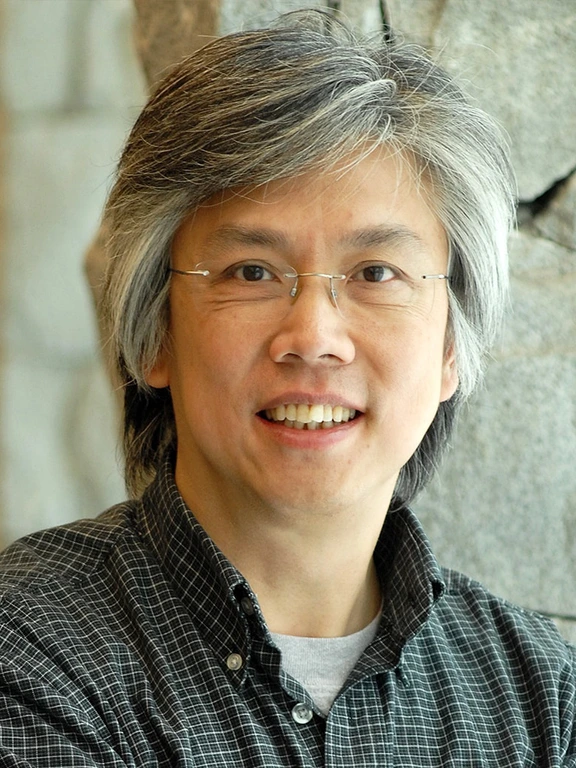
- Watch: Canada Case Study Overview Video (featuring Dr. Laurie Chan discussing governance structures and adaptation policies).
- Learn More: Visit the Tla'amin Nation Website to explore community updates, final agreements, and cultural awareness workshops.
Updates
Section titled “Updates”- Canada (Tla'amin Nation): partnership timeline briefing (January 2026)
- Canada case study: research highlights and engagement (January 2026)


Outputs
- Shifting Trends in Aquaculture's Biological Potential to Address Food, Climate and Biodiversity Challenges (2026-03-25)
- A traits-based approach to assess aquaculture’s contributions to food, climate change, and biodiversity goals (2024-05-31)
- WTO must complete an ambitious fisheries subsidies agreement (2024-02-02)
- Detecting, attributing, and projecting global marine ecosystem and fisheries change: FishMIP 2.0 (2024-01-22)
- Potential impacts of reduced seafood consumption on myocardial infarction among coastal First Nations in British Columbia, Canada (2024-01-01)