
Costa Rica Case Study
In Costa Rica, the Partnership explores the nexus of agriculture intensification and nature-based restoration of coastal small-scale fisheries.
Overview
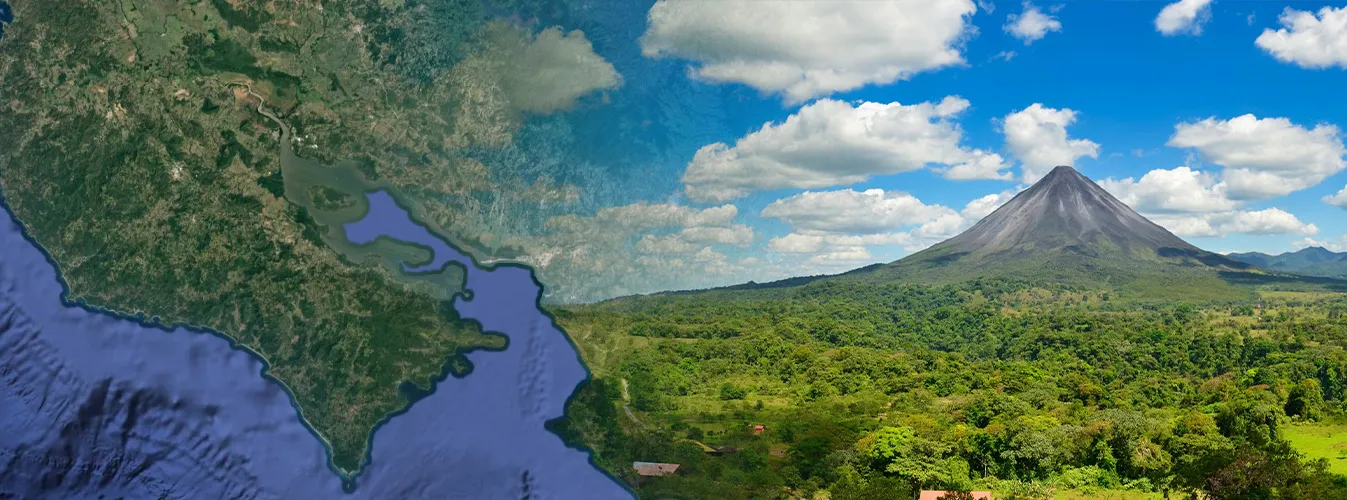
Section titled “Overview”The Costa Rica case study focuses on the Gulf of Nicoya (Golfo de Nicoya on the Nicoya Peninsula). Because the gulf is relatively enclosed, it is susceptible to contamination from various sources, especially river runoff—including industrial, urban, agricultural and aquatic transport inputs.
In recent years, the ability of local fishers to catch an adequate amount of fish has been severely impacted. This is concerning given that some 11,000 artisanal fishers and their families live in this area and have provided a large share of small-scale fishery landings.
One particularly damaging factor is contamination from fertilizer: it originates on farmland, runs downstream in rivers and into the gulf, and leads to algae blooms and coastal hypoxia (coastal dead zones). These dead zones are caused by lack of oxygen, which affects the survival of fish and other species and in turn negatively impacts fisheries resources, local economies and fisheries food security.
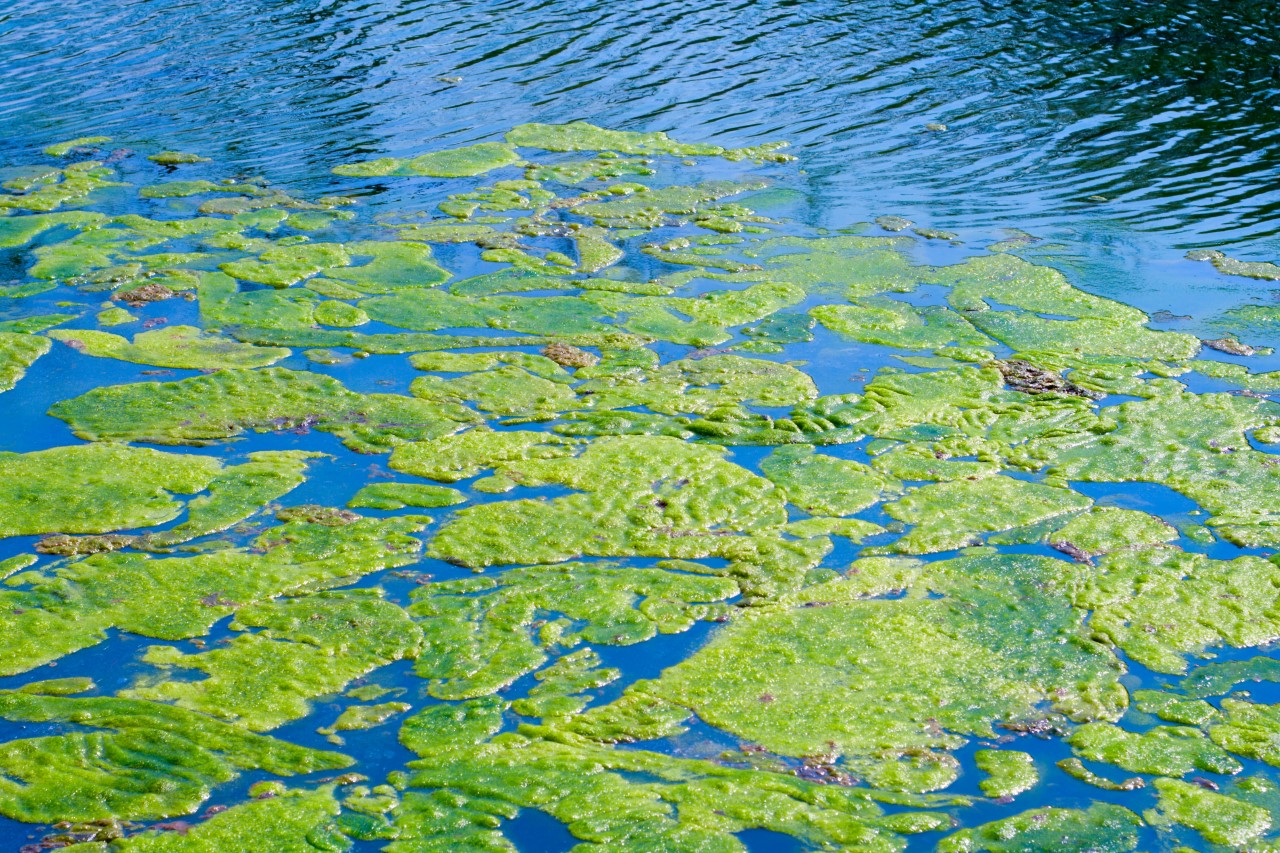
The situation is compounded by several factors: more fertilizer is being used as farmland area shrinks (a trend projected under climate mitigation plans to 2050); the fertilizer runs into the enclosed gulf and acts as a food source for algae; and together with ocean layer mixing, massive algae blooms draw oxygen from the bottom layers. Bacteria consuming the algae also remove oxygen from bottom-dwelling fish, and a lack of mixing causes oxygen to decline. As case study researcher Tayler Clarke (University of Costa Rica) notes: "the combination of the lack of mixing and the oxygen consumption at night and the bacteria just eating all the algae makes it so there's less oxygen for all the fish in the bottom. And so that's why there's lots of coastal dead zones like you hear about in the Gulf of Mexico."
Climate change is another factor: it has pushed species such as snappers (lutjanids) toward cooler, deeper waters, which has been observed by local fishers.
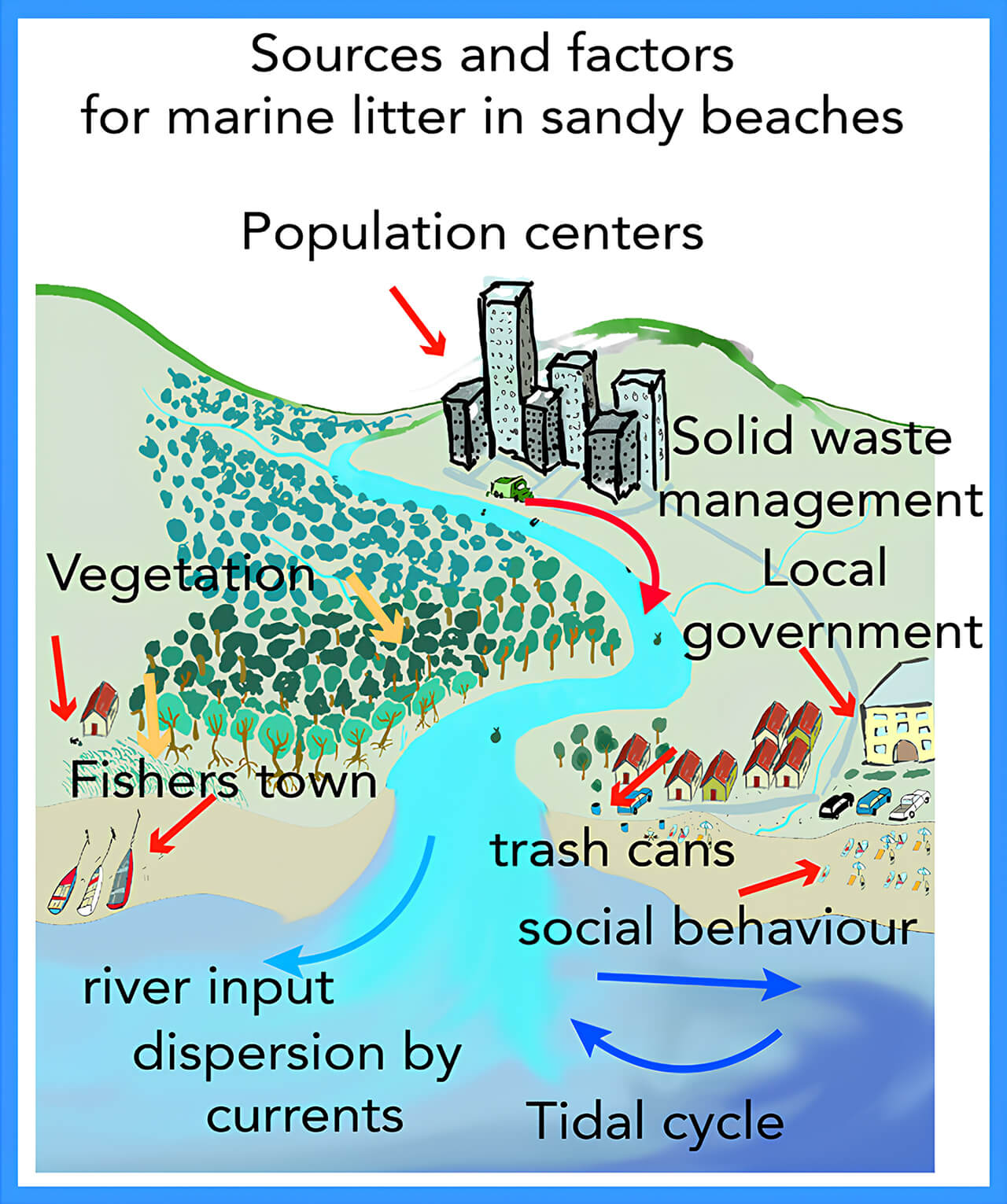
Golfo de Nicoya: Land use and nature-based solutions
Section titled “Golfo de Nicoya: Land use and nature-based solutions”Case study objectives
Section titled “Case study objectives”- Explore the effect of land use and climate change on coastal ecosystems and fisheries in the Gulf of Nicoya and elucidate the implications for climate policies, food security, sustainable fisheries and agriculture management.
- Co-develop potential land and ocean nature-based climate solutions for coastal fishing communities in the Gulf of Nicoya.
- Evaluate the effectiveness of these potential solutions under future socio-economic and policy scenarios.
- Develop and apply decision support tools to elucidate the most effective and acceptable adaptation options.
- Develop a mixed hydroclimatic and socioeconomic predictive model to identify potential high-risk areas for food insecurity in the Gulf of Nicoya, to support the co-creation of policy guidelines aimed at reducing vulnerability.
Case study site
Section titled “Case study site”- Source-to-Sea approach
- Water quantity and quality
- Future scenarios
- Impact assessment on fisheries
- Food security and nutrition
The case study leads—Tayler Clarke, Ingo Wehrtmann, Astrid Sánchez and Christian Birkel from the University of Costa Rica—plan to work with the local fishing community to define what a desirable future looks like in this gulf. An interdisciplinary team (hydrologists, marine biologists, social scientists, nutrition experts) will work closely with local fishing communities to co-develop future socio-economic and policy scenarios, create models for future projections and desirable outlooks, and collaborate with other case studies (e.g. the Netherlands) on nature-inclusive and circular farming.
Methodology
Section titled “Methodology”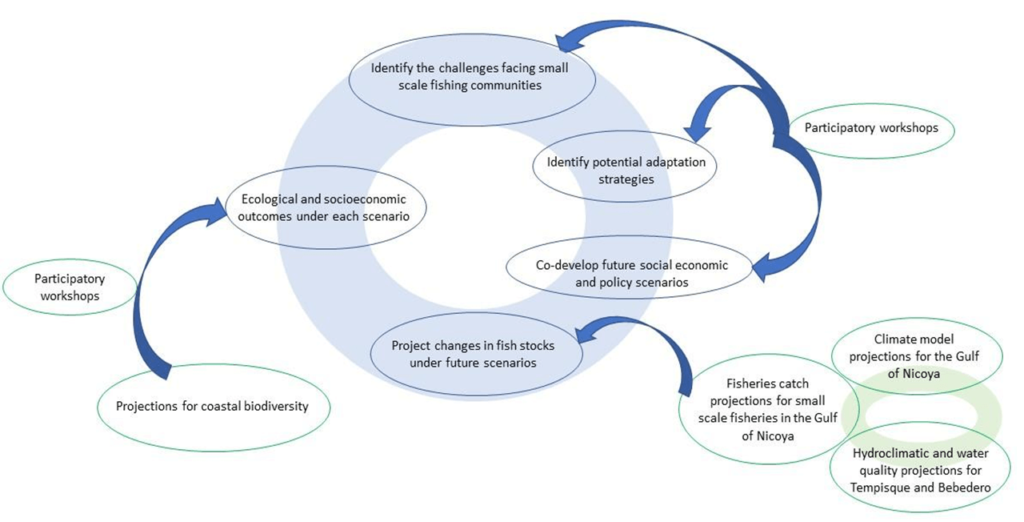
Work packages
Section titled “Work packages”- WP 1–4: Remotely sensed land use change; hydrological and water quality modelling; future projections; source-to-sea with ocean current modelling
- WP 5: Future food security scenarios and adaptation strategies
- WP 6: Changing biodiversity and fisheries in the Gulf of Nicoya
- WP 7: Ecosystem-level climate impacts on the Gulf of Nicoya
- WP 8: Deliberative monetary valuation as a participatory tool for small-scale fisheries stakeholder preferences
- WP 9: Diagnosis of the current situation, priorities, plausible nature-based solutions and social-ecological feasibility of management scenarios
- WP 10: Plural valuation of ecosystems and gender-equitable approach to climate resilience
- WP 11: Project changes in ecological, social and economic indicators under different land use and climate scenarios
- WP 12: Storytelling and decision support tools for desirable futures




Updates
Section titled “Updates”Partners
Section titled “Partners”
References and links
Section titled “References and links”- Watch: Costa Rica case study
- JSTOR: Gulf of Nicoya
- Costa Rica case study
- Gulf of Mexico dead zone (Nature.org)